


For salaried individuals in India, understanding income tax rules is essential for effective financial planning. Every financial year, taxpayers face an important decision—choosing between the old tax regime and the new tax regime. The right choice can significantly impact your tax liability and overall savings.
With changing tax laws and deductions, many professionals often struggle to determine which regime suits them best. This guide explains the differences between both tax systems and helps you make informed decisions regarding tax saving for salaried employees.
Understanding the Old and New Tax Regimes
The Indian government introduced the new tax regime to simplify taxation by offering lower tax rates while removing most deductions and exemptions. The old regime, on the other hand, allows taxpayers to claim multiple deductions under various sections of the Income Tax Act.
When comparing the old vs new tax regime, the key factor is whether you actively invest in tax-saving instruments and claim exemptions.
Old Tax Regime
The old tax system offers several deductions and exemptions, including:
- Section 80C investments
- Health insurance premiums under Section 80D
- Home loan interest benefits
- Leave Travel Allowance (LTA)
- Standard deduction
- House Rent Allowance benefits
These deductions can substantially reduce taxable income.
New Tax Regime
The new regime provides lower tax rates but removes most exemptions and deductions. It is often beneficial for individuals who prefer a simpler tax structure and do not make significant tax-saving investments.
Choosing between the two depends entirely on your salary structure, investments, and financial goals.
Why Tax Planning Matters for Salaried Employees
Proper tax planning is not just about reducing taxes; it is also about building wealth and achieving long-term financial security. Effective tax saving for salaried employees ensures better cash flow, improved investment habits, and enhanced financial discipline.
Salaried professionals who delay tax planning until the end of the financial year often miss valuable opportunities to maximize deductions. Planning early allows individuals to spread investments throughout the year rather than making last-minute decisions. Additionally, using online itr filing services can simplify tax management, ensure accurate calculations, and help taxpayers file returns efficiently while staying compliant with the latest tax regulations.
Key Deductions Available Under the Old Regime
One of the biggest advantages of the old tax system is the availability of multiple deductions. These benefits make tax saving under old regime highly attractive for many salaried individuals.
Some major deductions include:
Section 80C Investments
Taxpayers can claim deductions up to ₹1.5 lakh through investments in:
- Employee Provident Fund (EPF)
- Public Provident Fund (PPF)
- ELSS Mutual Funds
- National Savings Certificate (NSC)
- Life Insurance Premiums
Health Insurance Benefits
Premiums paid for medical insurance policies qualify for deductions under Section 80D.
Home Loan Benefits
Interest paid on home loans may qualify for deductions under Section 24(b), helping homeowners reduce tax liabilities significantly.
Understanding HRA Benefits
One of the most important tax-saving tools for salaried employees living in rented accommodations is the HRA exemption. Employees receiving House Rent Allowance as part of their salary package can claim deductions based on rent paid, salary structure, and city of residence.
The exemption amount is calculated according to prescribed tax rules, making it essential to maintain rent receipts and supporting documents.
For employees paying substantial rent, this exemption can result in considerable tax savings under the old regime.
Which Tax Regime Is Better?
There is no universal answer because every taxpayer's financial situation is different.
You may benefit from the old regime if:
- You invest regularly in tax-saving instruments.
- You pay home loan EMIs.
- You claim multiple exemptions.
- You receive HRA benefits.
The new regime may be suitable if:
- You prefer a simple tax structure.
- You do not claim major deductions.
- You want lower tax rates without extensive documentation.
A proper comparison of the old vs new tax regime should always be done before filing returns to determine the most beneficial option.
Income Tax Considerations for Salaried Individuals
Understanding income tax for salaried employees involves more than selecting a tax regime. Employees should regularly review Form 16, salary slips, investment declarations, and deductions to ensure accurate tax computation.
Errors in tax calculations can lead to notices, penalties, or delays in refunds. Therefore, maintaining proper records throughout the financial year is highly recommended.
Professionals with additional income sources such as freelancing, rent, or investments should be extra cautious while calculating taxable income.
Importance of Professional Tax Assistance
Tax laws in India evolve frequently, making compliance increasingly complex. Seeking guidance from experienced professionals can help taxpayers optimize savings and avoid costly mistakes.
Many individuals rely on the best tax consultants in india to evaluate deductions, calculate liabilities, and ensure accurate return filing. Expert advice becomes especially useful for high-income earners and those with multiple income streams.
Professional consultants can also provide personalized tax strategies tailored to individual financial situations.
The Rise of Digital Tax Solutions
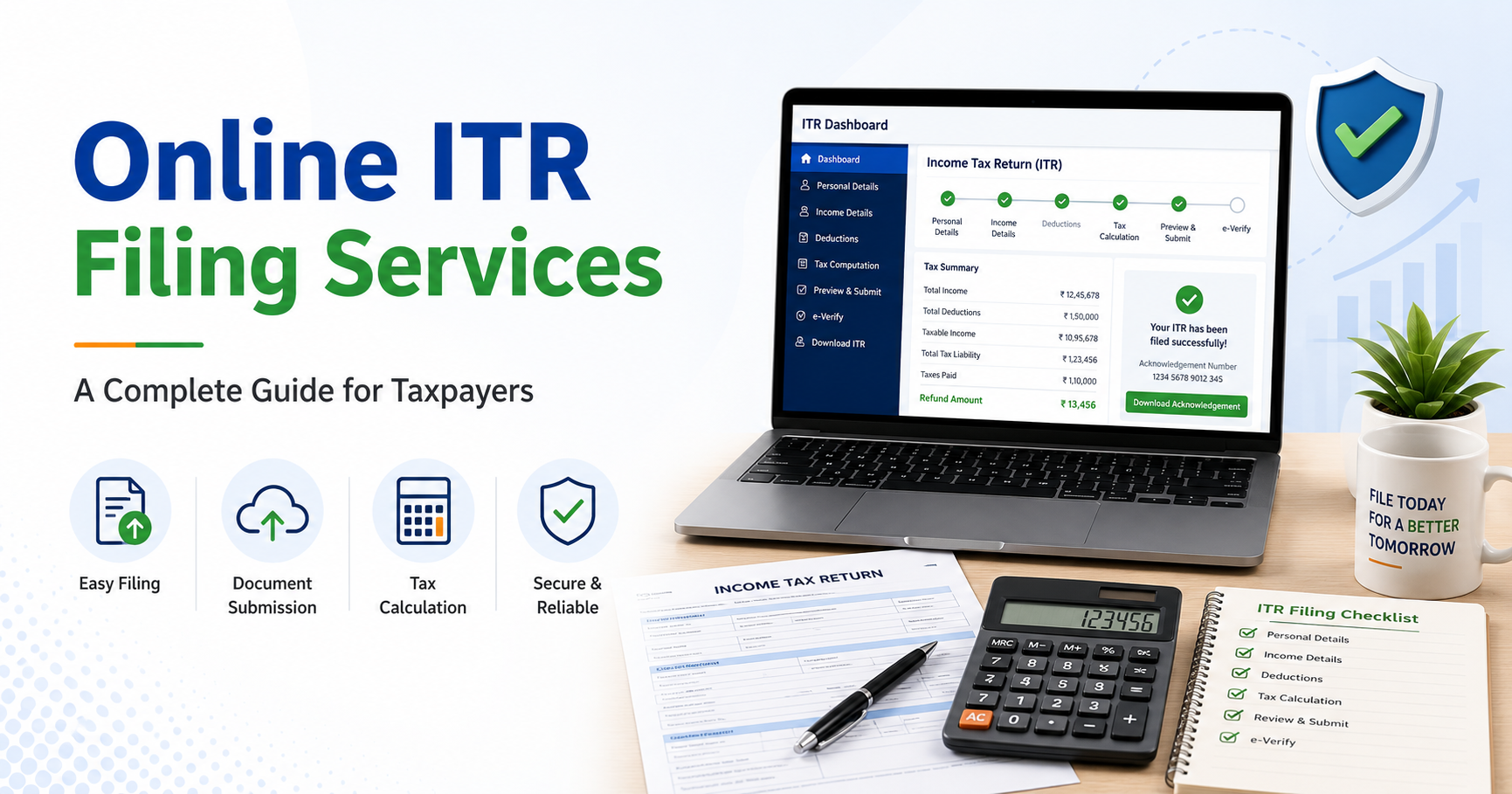
Technology has made tax compliance much easier than before. Today, taxpayers can access online tax filing services that simplify documentation, return preparation, and submission.
Digital platforms offer several advantages:
- Faster filing process
- Automated tax calculations
- Error detection
- Secure document storage
- Quick refund tracking
The growing adoption of online tax return filing services has significantly reduced paperwork and improved convenience for salaried individuals across India.
Special Tax Needs for NRIs
Non-Resident Indians often face unique taxation challenges involving foreign income, double taxation treaties, and compliance requirements. In such situations, consulting an experienced nri tax consultant india can help ensure proper tax planning and regulatory compliance.
Professional guidance becomes especially important for NRIs earning income from Indian assets or investments.
Final Thoughts
Selecting the right tax regime is one of the most important financial decisions for working professionals. Whether you choose the old regime with deductions or the simplified new regime, the objective should always be maximizing savings while remaining compliant with tax laws.
Careful planning, timely investments, and professional guidance can greatly improve tax saving for salaried employees. Before filing your returns, evaluate your salary structure, deductions, and financial goals to make an informed choice.
Ultimately, smart tax saving for salaried employees is not just about reducing tax liability—it is about building a stronger financial future. By understanding available exemptions and comparing both regimes carefully, employees can achieve better financial efficiency and long-term wealth creation. Read more about effective tax-saving strategies and filing solutions.
Need Expert Help with Tax Planning and Filing?
Navigating tax laws and choosing between the old and new tax regimes can be confusing. With expert assistance, you can maximize deductions, optimize tax savings, and file your returns accurately without stress. Whether you need support with salaried taxation, NRI tax matters, or annual return filing, professional guidance ensures complete compliance and peace of mind.
Call: +91-6366 909 909
Email: contact@taxfilr.com
Frequently Asked Questions
1. Which regime is better for salaried employees?
The better regime depends on your income, rent, investments, insurance, and loan interest. tax saving for salaried employees works best when you calculate both options using actual proofs, not guesses. The new system favors simplicity; the old one favors eligible claims.
2. Can I switch regimes while filing my return?
Most salaried taxpayers without business income can choose the preferred regime while filing the income tax return. Your employer’s TDS choice helps monthly deduction, but the final selection is usually made in the return, subject to applicable rules.
3. Is the new regime good for people with no investments?
Yes, it can be. Employees with few deductions, no rent claim, and no major insurance or loan benefits may find the new regime easier and more tax-efficient. Still, compare once because bonuses and other income can change the result.
4. Should I invest only to reduce tax?
No. Tax benefits should support sensible financial goals, not replace them. Before investing, check risk, lock-in, liquidity, and whether you actually need the product. An unsuitable investment can cost more than the tax it saves in the long run.
5. What documents should salaried taxpayers keep?
Keep Form 16, payslips, rent receipts, lease agreement, investment proofs, insurance receipts, home loan certificate, donation receipts, AIS, and Form 26AS. Good records make regime comparison easier, reduce filing stress, and help answer employer queries quickly later.