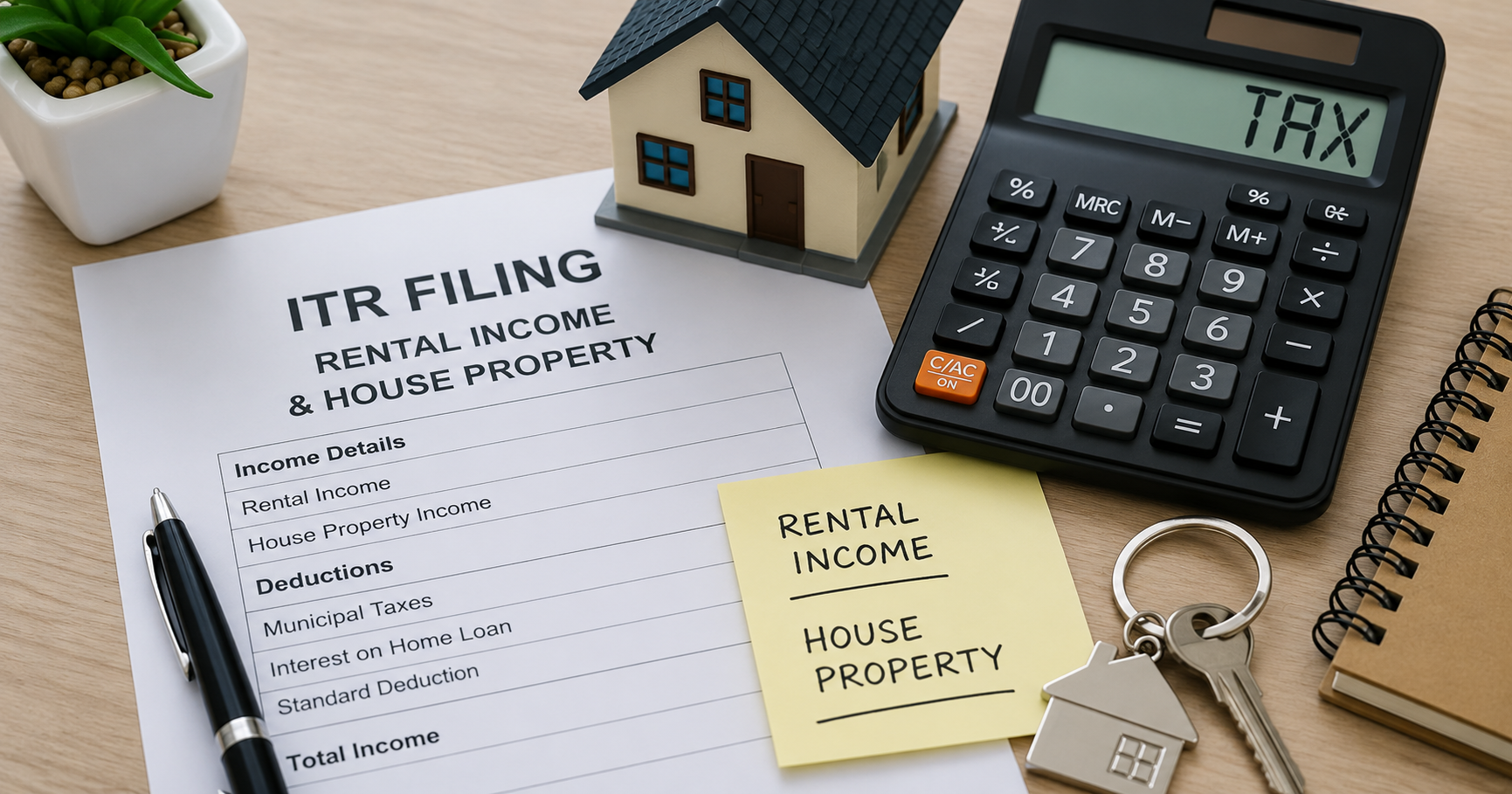


Filing an income tax return has become much easier with the availability of digital platforms and professional assistance. Whether you are a salaried employee, freelancer, business owner, or investor, submitting your return correctly helps you stay compliant, claim eligible deductions, and avoid unnecessary penalties.
Many taxpayers still struggle with choosing the right filing method, collecting documents, understanding deductions, and meeting deadlines. This guide explains everything you need to know about tax return preparation online, including the required documents, important due dates, common mistakes, and expert tips for hassle-free filing.
What is Tax Return Preparation Online?
Tax return preparation online is the process of preparing, reviewing, and filing your income tax return through digital platforms or professional tax experts. Instead of handling complicated tax calculations manually, taxpayers can upload their financial details and complete the filing process conveniently from anywhere.
Online filing saves time, reduces paperwork, and minimizes the chances of errors. Professional assistance also ensures that applicable deductions, exemptions, and tax benefits are not overlooked.
Whether you are filing your first return or managing multiple income sources, seeking professional income tax consultation can help you understand your tax obligations, maximize eligible deductions, and avoid costly filing mistakes.
Why More Indians Prefer Online Tax Filing
Digital tax filing has transformed the way taxpayers manage their annual returns. Some major advantages include:
- Faster filing process
- Paperless documentation
- Secure handling of financial information
- Better accuracy through expert review
- Easy access from any location
- Faster refund processing
- Reduced chances of filing errors
Professional tax return preparation services also provide personalized guidance for taxpayers with multiple income sources, investments, or business income.
Who Should File an Income Tax Return?
Filing an income tax return is important for various categories of taxpayers, including:
- Salaried employees
- Self-employed professionals
- Freelancers
- Business owners
- Partnership firms
- Companies
- Senior citizens with taxable income
- Individuals earning capital gains
- Taxpayers claiming refunds
- NRIs with taxable income in India
Even if your tax liability is low, filing returns regularly helps build financial credibility for loans, visas, and other financial requirements.
Documents Required for Tax Return Preparation Online
Before starting tax return preparation online, it is important to organize all the necessary financial documents. Having accurate and complete records not only speeds up the filing process but also reduces the chances of errors, notices, or delays in receiving refunds. Below are the key documents you should keep ready before preparing your income tax return.
1. PAN Card
Your Permanent Account Number (PAN) is one of the most important documents required for filing an income tax return. It serves as your unique taxpayer identification number and is mandatory for almost all tax-related transactions.
2. Aadhaar Card
An Aadhaar card is required for identity verification, and in most cases, your Aadhaar should be linked with your PAN. This linkage helps complete the return filing and verification process smoothly.
3. Form 16
If you are a salaried employee, your employer will issue Form 16 after the end of the financial year. It contains details of your salary, tax deducted at source (TDS), exemptions, and deductions claimed during the year.
4. Form 26AS
Form 26AS is your consolidated tax credit statement. It displays TDS deducted by employers, banks, and other deductors, along with advance tax payments, self-assessment tax, and tax refunds credited to your account.
5. Annual Information Statement (AIS)
The Annual Information Statement (AIS) provides a comprehensive summary of your financial transactions reported to the Income Tax Department. It includes information such as salary, interest income, dividends, securities transactions, mutual fund investments, and other specified financial activities.
6. Bank Account Details
Ensure that your bank account information is accurate before filing your return. Keep the following details ready:
- Bank account number
- IFSC code
- Account validation details
Providing correct banking information ensures that any eligible tax refund is credited directly to your account without delays.
7. Investment Proofs
To claim deductions under various sections of the Income Tax Act, collect all supporting investment documents, including:
- ELSS investments
- Public Provident Fund (PPF)
- National Pension System (NPS)
- Life insurance premium receipts
- Health insurance premium receipts
- Home loan interest certificate
- Tuition fee receipts
- Donation receipts
Maintaining these documents helps maximize eligible tax deductions and reduces taxable income.
8. Capital Gain Statements
If you have sold shares, mutual funds, bonds, or immovable property during the financial year, keep detailed capital gain statements and transaction reports. These records help calculate short-term or long-term capital gains accurately while filing your return.
9. Business Income Records
Individuals running a business or practicing a profession should maintain complete financial records, including:
- Profit & Loss Statement
- Balance Sheet
- GST details
- Business expense records
- Sales invoices
- Purchase records
Proper documentation supports accurate income reporting and simplifies tax compliance.
10. Interest Certificates
Collect interest certificates from banks and financial institutions for all applicable accounts, including:
- Savings accounts
- Fixed deposits (FDs)
- Recurring deposits (RDs)
Interest earned from these accounts is generally taxable and should be reported correctly while filing your income tax return to avoid discrepancies.
Important Income Tax Return Deadlines
Meeting filing deadlines is extremely important to avoid penalties and interest.
The due date generally depends on the taxpayer category.
Common categories include:
- Individuals not requiring audit
- Businesses requiring audit
- Companies
- Partnership firms
- Revised return filing
- Belated return filing
Since due dates may change based on government notifications, always verify the latest schedule before filing.
Step-by-Step Process of Tax Return Preparation Online
The online filing process is simple when approached systematically.
Step 1: Collect Financial Documents
Gather salary details, investment proofs, bank statements, TDS certificates, and income records.
Step 2: Verify Personal Information
Check your:
- PAN
- Aadhaar
- Address
- Mobile number
- Email ID
- Bank details
Incorrect information can delay processing.
Step 3: Calculate Total Income
Include income from:
- Salary
- House property
- Business or profession
- Capital gains
- Interest income
- Other sources
Step 4: Claim Eligible Deductions
Review deductions available under applicable provisions to reduce your taxable income legally.
Step 5: Verify TDS Details
Cross-check Form 26AS and AIS to ensure tax deducted by employers or banks has been correctly reported.
Step 6: Review Before Submission
Carefully review all information before filing to eliminate errors.
Step 7: File and Verify the Return
After submission, complete return verification through the prescribed online verification method to finish the filing process successfully.
Common Mistakes to Avoid
Many taxpayers unintentionally make errors that can delay refunds or trigger notices.
Avoid these common mistakes:
- Selecting the wrong ITR form
- Reporting incorrect income
- Missing interest income
- Forgetting to claim deductions
- Providing incorrect bank details
- Ignoring AIS mismatches
- Not verifying the filed return
- Filing after the due date
- Uploading incomplete documents
Professional tax preparation can significantly reduce these risks.
Expert Tips for Hassle-Free Tax Filing
Following a few best practices can make filing much easier.
Keep Digital Records
Store digital copies of salary slips, Form 16, investment proofs, bank statements, insurance receipts, and loan documents in one place. Organized records make tax filing quicker and help prevent missing important information.
File Early
File your return before the deadline to avoid last-minute issues and portal delays. Early filing also helps process refunds faster.
Reconcile Financial Information
Compare your records with Form 26AS and the Annual Information Statement (AIS) before filing. This helps ensure accurate income reporting and reduces the chances of tax notices.
Report Every Source of Income
Include all sources of income, such as salary, bank interest, dividends, rental income, and freelance earnings, to maintain accurate tax compliance.
Choose the Correct Tax Regime
Compare the old and new tax regimes carefully to select the option that offers the maximum tax savings based on your financial situation.
Review Before Filing
Review your personal details, bank information, income, deductions, and tax calculations before submitting your return. A final check helps avoid errors and processing delays.
Using experienced tax preparation services can provide additional confidence, especially for taxpayers with complex financial situations.
Benefits of Choosing Professional Tax Return Services
Professional guidance offers more than just return filing.
Experienced experts help with:
- Accurate income calculation
- Deduction planning
- Error-free documentation
- Compliance with tax laws
- Faster processing
- Notice assistance
- Refund optimization
Reliable tax return services also help reduce the stress associated with annual tax filing.
If you want a faster and error-free filing experience, choosing online tax return filing services can help ensure accurate calculations, timely submission, and compliance with the latest tax regulations.
Why Online Tax Filing is the Future
Technology has made income tax filing faster, more transparent, and highly accessible. With secure digital platforms, taxpayers can complete the entire process from home without extensive paperwork.
Professional online tax return services further simplify filing by providing expert support, document verification, and timely assistance throughout the process.
As tax regulations continue to evolve, digital filing remains one of the most efficient ways to stay compliant while saving valuable time.
Conclusion
Filing your income tax return does not have to be complicated. By collecting the necessary documents, understanding applicable deductions, verifying your financial information, and filing before the deadline, you can complete the process smoothly and confidently.
Whether you are filing your first return or managing multiple income sources, Choosing tax return preparation online can simplify the entire process while reducing errors and improving compliance. Need expert support to file your income tax return accurately and on time? Learn More. Contact our tax experts today for reliable, accurate, and hassle-free filing assistance.
Need Expert Help with Your Tax Return?
Avoid filing mistakes and complete your income tax return with confidence. At TaxFilr, our experienced professionals provide reliable assistance with document verification, deduction claims, accurate calculations, and timely filing. Whether you're a salaried employee, freelancer, business owner, or investor, we're here to make the process simple and hassle-free.
Contact TaxFilr Today
Phone: +91-6366 909 909
Email: contact@taxfilr.com
Frequently Asked Questions
What is the safest way to start filing my ITR?
Begin by collecting Form 16, Form 26AS, AIS, bank statements, investment proofs, and capital gains reports. Then compare each figure before entering details. A careful review before submission reduces mismatches, defective return notices, and refund delays later.
Can I file my return without Form 16?
Yes, you can file without Form 16 if you have salary slips, Form 26AS, AIS, and accurate deduction details. However, Form 16 makes salary and TDS reconciliation easier, so request it from your employer before filing whenever possible.
Is tax return preparation online suitable for freelancers?
Yes, tax return preparation online can work well for freelancers if income, expenses, TDS, GST data, and bank entries are organized. Freelancers should also review advance tax, presumptive taxation eligibility, professional expenses, and the correct ITR form before submission.
What happens if I miss the due date?
You may still file a belated return before the permitted deadline, but late fees, interest, and some restrictions may apply. Missing the original due date can also affect loss carry-forward benefits, so timely filing is usually the better choice.
Should I choose the old or new tax regime?
Compare both regimes using actual income, deductions, exemptions, and eligible investments. The new regime may suit taxpayers with fewer deductions, while the old regime may help those claiming items like HRA, insurance, tuition fees, home loan interest, or other deductions.